



9909915151
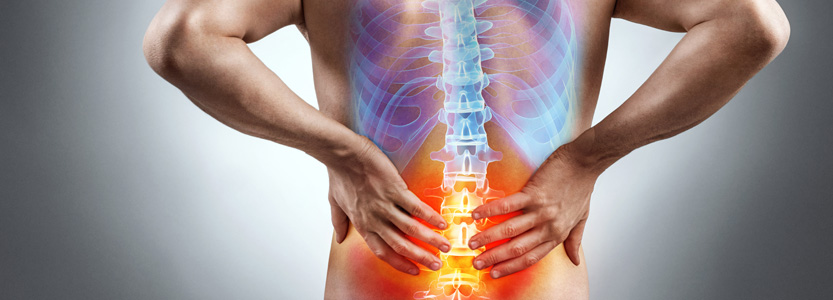
Back pain and sciatica can be debilitating conditions that greatly impact one’s quality of life. Fortunately, there are several effective treatment options available to alleviate the discomfort and promote healing. 1. Physical Therapy: Physical therapy is a non-invasive treatment option that focuses on improving strength, flexibility, and mobility. A skilled therapist can develop a personalized exercise program to target the specific areas causing pain. These exercises can help reduce inflammation, relieve muscle tension, and improve overall function. 2. Medications: Over-the-counter pain relievers, such as nonsteroidal anti-inflammatory drugs (NSAIDs), can provide temporary relief from back pain and sciatica. In some cases, prescription medications may be necessary to manage severe pain or inflammation. It is important to consult with a healthcare professional before starting any medication regimen. 3. Heat and Cold Therapy: Applying heat or cold to the affected area can provide temporary pain relief. Heat therapy helps relax muscles and improve blood circulation, while cold therapy can reduce inflammation and numb the area. Alternate between heat and cold therapy for the best results. 4. Epidural Steroid Injections: For more severe cases, epidural steroid injections may be recommended. These injections deliver anti-inflammatory medication directly to the affected area, providing long-lasting pain relief. This treatment option is typically performed by a qualified healthcare professional. 5. Surgery: Surgery is usually considered as a last resort for treating back pain and sciatica. It is typically recommended when conservative treatments have failed to provide relief or if there is an underlying structural issue. Surgical options may include discectomy, laminectomy, or spinal fusion. In addition to these treatment options, lifestyle modifications such as maintaining a healthy weight, practicing good posture, and avoiding prolonged sitting or standing can also help prevent and manage back pain and sciatica. It is essential to consult with a healthcare professional to determine the most suitable treatment plan for your specific condition. They will be able to provide a comprehensive evaluation and guide you towards the most effective treatment options available. Remember, early intervention and a proactive approach to treatment can greatly improve the chances of a successful recovery from back pain and sciatica.
Yes, it is perfectly safe and possible, but choosing the right patient is crucial. The patient's age and any comorbid medical disorders, such as diabetes, hypertension, and cardiac issues, are taken into account.
In a word, yes. We think that physical therapy is crucial for a patient's quick post-surgery recovery. Our team of skilled physiotherapists provides physiotherapy to our patients for three weeks. Any statements to the contrary are nothing more than marketing ploys.
In order to reduce pain to the absolute minimum, we have created specific techniques. During surgery, we administer specialized medications and created a formula to manage pain.
On the day of surgery or the morning after, we make patients walk. On the second post-operative day, patients begin ascending stairs, and the majority of our patients are walking unassisted upon release.
We exclusively use the most recent, US FDA-approved implants, which guarantee longevity of at least 20–25 years.